Plant Mom Watercolor Design: A Modern Asset for Visual Storytelling
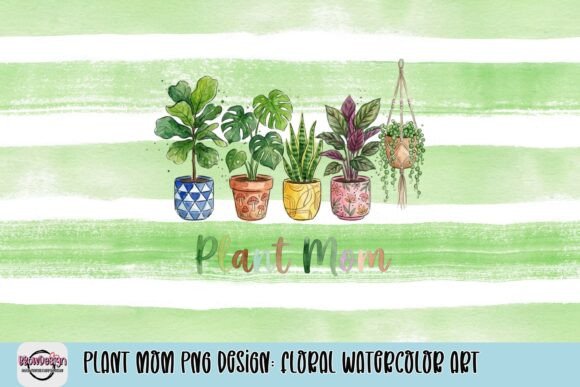
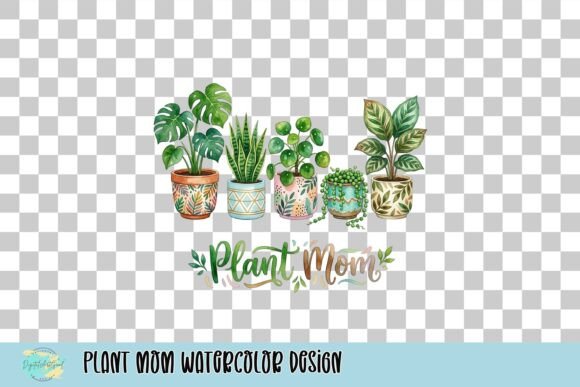
In the realm of visual design, the perfect asset can transform a simple project into a compelling narrative. The Plant Mom Watercolor Design exemplifies this, offering a charming, hand-drawn aesthetic that resonates deeply with contemporary audiences. This artwork, featuring a whimsical array of houseplants like monstera and snake plants beneath playful typography, is more than just a pretty image—it's a versatile tool for creating authentic, emotionally engaging visual communication.
Why This Aesthetic Matters in Modern Design
Current design trends heavily favor organic, handcrafted elements that evoke warmth and personality. This watercolor style taps directly into that movement, providing a break from sterile, purely digital graphics. Its value lies in its ability to build a relatable brand identity, particularly for businesses in lifestyle, wellness, home decor, or eco-friendly sectors. The soft textures and imperfect lines of watercolor art create an approachable feel, making it ideal for connecting with audiences on a personal level.
From a technical standpoint, the design’s composition and color palette are carefully balanced. The harmonious greens and earthy tones offer a natural, calming visual hierarchy that guides the eye without overwhelming the viewer. This makes it exceptionally effective for applications where clarity and aesthetic appeal must coexist.
Practical Applications for Creative Professionals
The true strength of a design asset like this is its adaptability across multiple platforms and mediums. Its transparent PNG format ensures seamless integration into various projects, allowing designers to scale and customize without quality loss.
- Branding and Logo Design: Use the illustration as a central motif for a botanical brand mark or as a supporting graphic in a comprehensive brand identity system. It instantly communicates values of growth, care, and natural beauty.
- Marketing Materials: Incorporate the design into digital ads, email headers, or print brochures to attract a specific demographic. It works beautifully for seasonal campaigns or promotions for plant-related products.
- Social Media & Web Design: Create eye-catching posts, story templates, or website hero images. The engaging style can significantly boost user engagement and dwell time, contributing positively to UX design.
- Packaging & Merchandise: Apply it to product labels, shopping bags, or tote bags to enhance unboxing experiences. It’s equally effective for direct merchandise like mugs, greeting cards, and posters.
- Editorial & Presentation Design: Break up text-heavy layouts in magazines, blogs, or corporate presentations. A well-placed illustration improves visual flow and keeps readers interested.
Integrating Assets with Design Workflow and Brand Systems
Selecting the right creative asset requires considering its compatibility with your existing design workflow and brand guidelines. Evaluate how the asset’s style aligns with your current typography and color scheme. A cohesive visual language is critical for professional presentation and brand recognition.
When using this design, pay attention to visual hierarchy. Its detailed nature means it should often serve as a focal point or accent, supported by clean, legible typography to maintain readability. Ensure the background transparency allows it to layer effectively over different surfaces, from textured paper to digital screens. Always consider the final output—whether for high-resolution print or optimized web graphics—to preserve its intended impact.
Thoughtful curation of visual elements is fundamental to effective design. Assets that combine aesthetic appeal with functional versatility, like this watercolor illustration, empower creators to produce work that is not only beautiful but also strategically sound. By investing in high-quality design resources, you streamline your creative process, elevate your projects, and ultimately communicate your message with greater clarity and artistry.