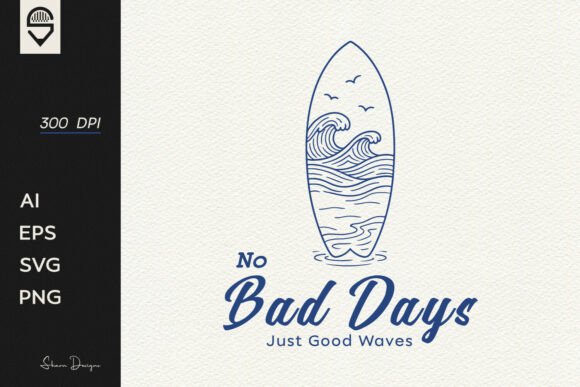
Minimalist Surfboard Ocean Design: A Clean Visual for Modern Brands
A single, elegant line can capture the entire spirit of the ocean. The Minimalist Surfboard Ocean Design distills the essence of wave-hunting culture into a clean, versatile graphic, proving that in visual design, simplicity often carries the most powerful message. This approach is fundamental for creators seeking assets that communicate clearly and integrate seamlessly into diverse projects.
The Power of Minimalist Aesthetics in Graphic Design
Modern design trends consistently favor clean lines and uncluttered compositions. This surf-inspired illustration, featuring delicate line art of waves and birds within a surfboard silhouette, exemplifies this principle. Its strength lies in its visual hierarchy and scalability. Without intricate details, the design maintains clarity whether scaled down for a small sticker or blown up for a large framed artwork. This makes it a prime example of how minimalist graphic design enhances readability and ensures the core message—the uplifting phrase “No Bad Days – Just Good Waves”—remains the focal point.
For designers and marketers, such an asset is invaluable. It functions as more than just a logo design element; it’s a foundational piece of brand identity that conveys a specific lifestyle. The absence of a complex color palette allows it to adapt to various backgrounds and applications, making it a flexible component in a broader design workflow.
Practical Applications for Creative Projects
The true value of a well-crafted design asset is its utility. This particular file, delivered in AI, EPS, SVG, and high-resolution PNG formats, is engineered for professional use across multiple mediums. Consider its application in the following areas:
- Branding and Marketing Materials: Use the core illustration as a central mark for a surf brand, coastal café, or wellness retreat. It seamlessly integrates into business cards, menus, and promotional flyers, establishing a consistent and recognizable brand identity.
- Digital Presence: The clean lines are ideal for web design and UI design, serving as an engaging hero image, a subtle background texture, or a social media profile graphic that aligns with a calm, aspirational feed aesthetic.
- Merchandise and Packaging Design: The transparent PNG file is perfect for print design on t-shirts, tote bags, mugs, and phone cases. Its simplicity ensures it looks sharp on various materials and products, from textile applications to rigid surfaces.
- Editorial and Presentation Design: Incorporate the graphic into magazine layouts, blog headers, or corporate presentations to add a thematic, visual anchor that supports content about travel, leisure, or a balanced lifestyle.
Tips for Selecting and Implementing Design Elements
When integrating a new asset into a project, evaluate it against key design principles. First, assess its compatibility with your existing color palette and typography. This minimalist design’s neutral nature makes it a versatile partner. Second, consider the visual hierarchy you aim to create. The asset should complement, not compete with, your primary messaging.
Always ensure the file format is suitable for your intended use. Vector files (AI, EPS, SVG) are essential for scalable print design and logo applications, guaranteeing crisp edges at any size. The 300 DPI high-resolution PNG is critical for professional printing where detail and clarity are paramount. Using the correct file type maintains a professional presentation and avoids pixelation or quality loss.
Thoughtful design choices are the bridge between a concept and effective communication. Selecting quality creative assets like this one streamlines the design process, elevates the final aesthetic, and ensures your visual language speaks directly to your audience’s aspirations. In a crowded digital landscape, a clean, purposeful graphic is not just an ornament—it’s a strategic tool for connection.